

Talk to us
08045800191
Talk to us
08045800191
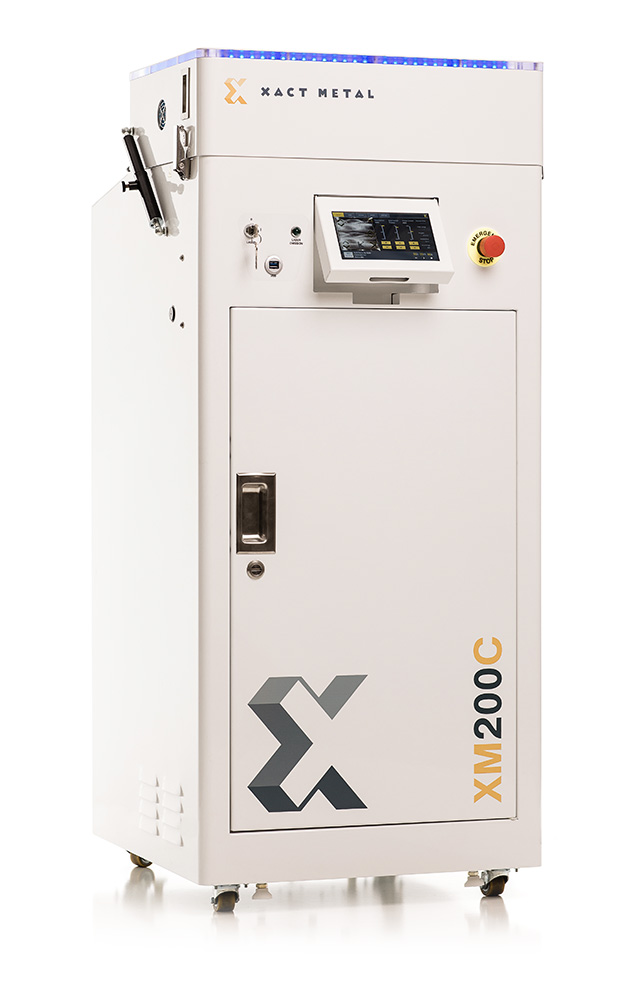
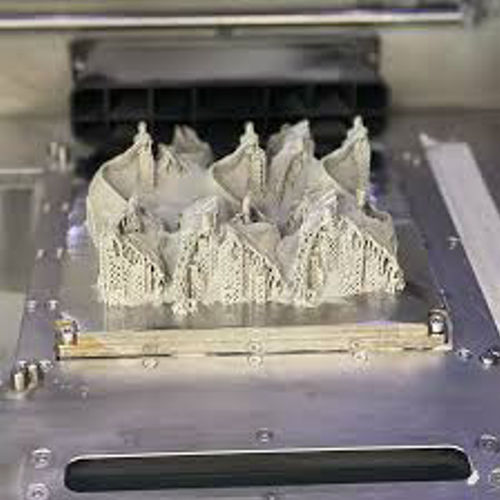
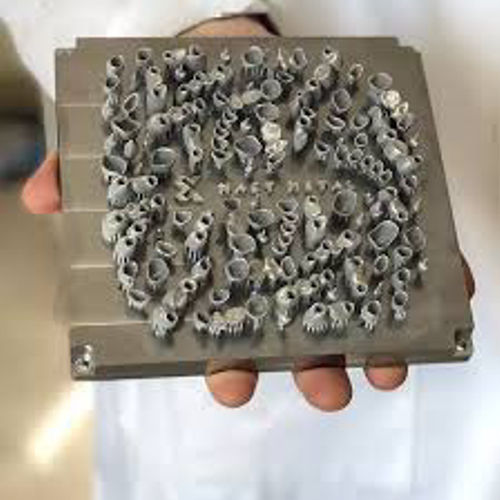
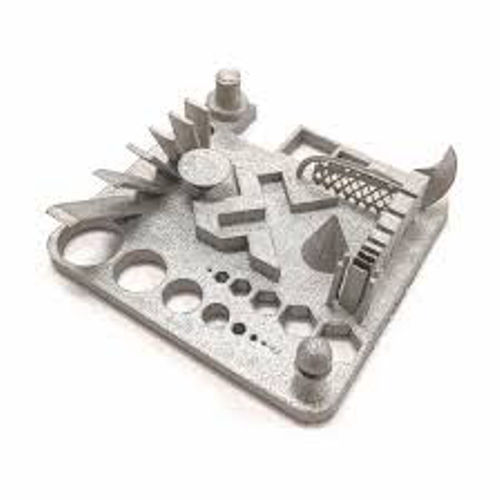
Xact Metal XM 200G Metal 3D Printer is an advanced industrial 3D printing solution designed for high precision, reliability, and scalability. It is widely used in manufacturing, prototyping, healthcare, and engineering industries. This machine delivers superior output quality, faster production cycles, and cost efficiency for businesses.
The Xact Metal XM200G is a metal powder-bed fusion 3D printer that offers a balance of industrial performance and affordability, aimed at small-to-medium manufacturers, R&D labs, universities, and advanced prototyping facilities. Its part of Xact Metals industrial lineup and builds on the companys proven metal AM technology.
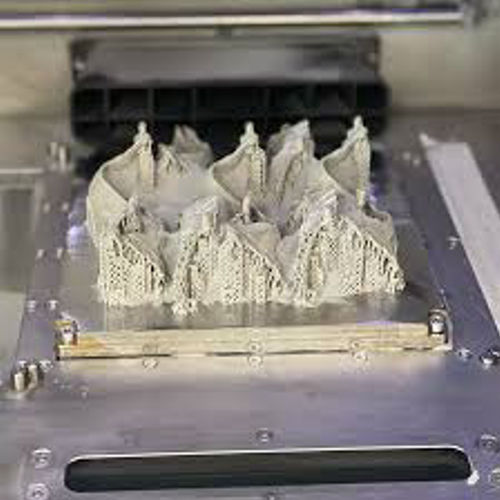
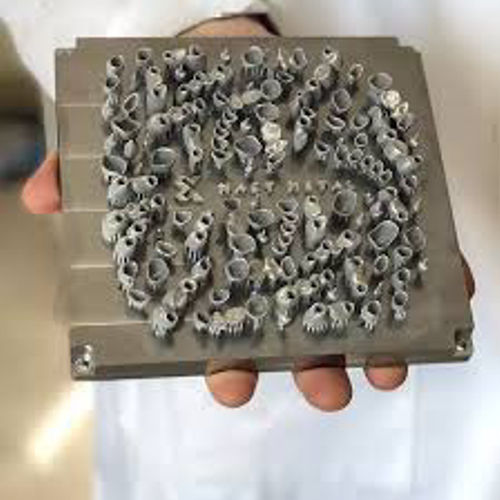
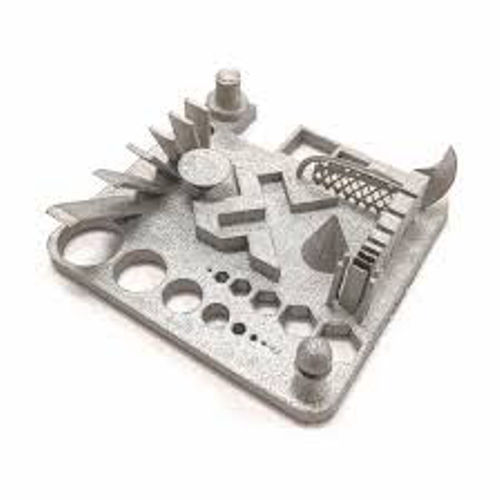
It uses fiber laser(s) to selectively melt metal powder in a controlled environment, producing dense near-fully dense metal parts with complex geometries that are difficult or impossible with traditional manufacturing.
Integrated powder handling system (improves safety and workflow).
Optional glovebox for safer powder changing/handling.
User-friendly touchscreen and modern software interface.
Open material platform and open print parameters for tuning and experimentation. l
Balanced Industrial Performance: Offers high-quality LPBF printing at a more accessible price point compared with traditional industrial systems.
Configurable Laser Options: Choice of laser power and dual-laser configuration allows tailoring for speed vs detail.
Decent Build Volume: A 150 mm cube gives flexibility for many small-to-medium parts in one build.
Precision Optics: F-theta lens with small spot size (50 m) helps deliver fine features.
Open Parameters & Materials: Experienced users can optimize processes or test new powders not locked down by the manufacturer.
Compact Footprint: The moderate machine size makes it suitable for shop-floor or lab environments without large infrastructure changes.
Integrated Powder Handling: Improves safety and reduces setup time compared with manual powder workflows.
Single-Phase Power: No need for special high-voltage infrastructure (unlike larger industrial LPBF systems).
Rapid metal prototyping of functional parts and tooling.
Low-volume production of bespoke components.
Components with complex geometry and optimized weight for aerospace and automotive test pieces.
Custom jigs, fixtures, core/cavity inserts, and mold tooling especially with wear-resistant steels.
Small part production and research into medical device manufacturing (biocompatible alloys).
University labs and R&D departments studying metal AM processes and materials.
Design & Prep: Create 3D CAD model and prepare with slicing software (often Additive-ready formats like .STL).
Material & Powder: Load selected metal powder (e.g., stainless steels, aluminum, nickel alloys*). Allegheny Educational Systems
Machine Setup: Configure lasers, spot size, build plate, and powder system.
Print: Initiate LPBF build and monitor via integrated cameras/interface. Cimquest Inc.
Post-Processing: Remove part, depowder, heat treat, and finish as required for functionality.
Q1: What metals can XM200G print?
A: It supports a range including aluminum alloys, brass/bronze, copper, stainless steels (316L, 17-4 PH, etc.), superalloys (Inconel, Hastelloy), titanium Ti64, and tool steels, depending on powder availability and process development.
Q2: Do I need special facilities to install it?
A: No high-voltage requirement only standard single-phase power but proper ventilation and safety (powder and laser) are necessary.
Q3: Is it suitable for production?
A: Yes ideal for low-volume production, tooling, and prototyping; dual-laser versions boost throughput.
Q4: What resolution can I expect?
A: Layer thickness from 20 m upwards, with precision optics supporting detailed features.
Q5: Is operator training required?
A: Yes metal LPBF involves powder handling, safety protocols, and post-processing knowledge. Experts are recommended for best results.

Price:


 Send Inquiry